

Modern Kitchen Islands: Planning, Design & Expert Advice for UK Homes
A modern kitchen island has become one of the most sought-after features in contemporary kitchen design. More than just a visual centrepiece, a well-planned island can add valuable workspace, storage, seating, and structure to your kitchen — particularly in open-plan homes.
However, a kitchen island is not suitable for every space, and poor planning can quickly turn a design feature into an obstacle. This guide takes a planning-first approach, covering everything you need to know before committing to a modern kitchen island — from space requirements and layout considerations to seating, small kitchens, and island alternatives such as peninsulas.
What Is a Modern Kitchen Island?
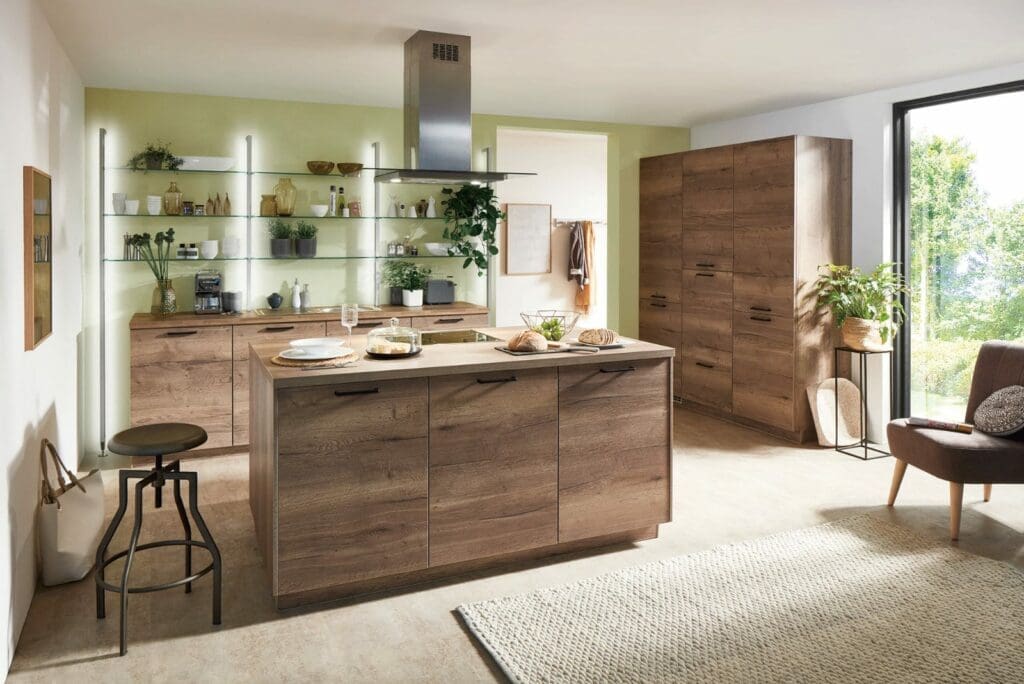
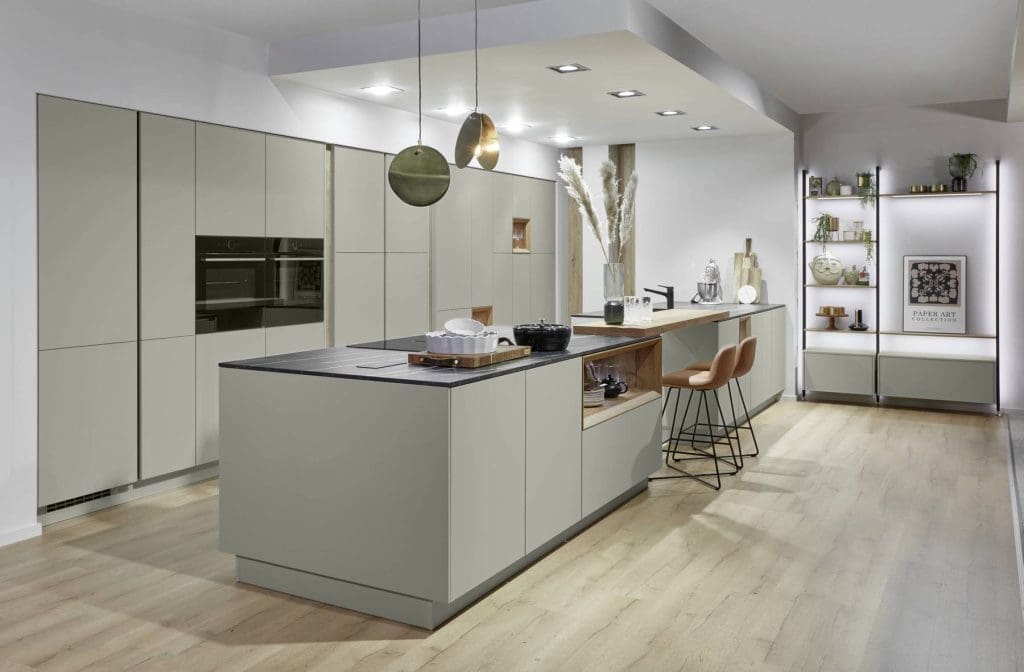
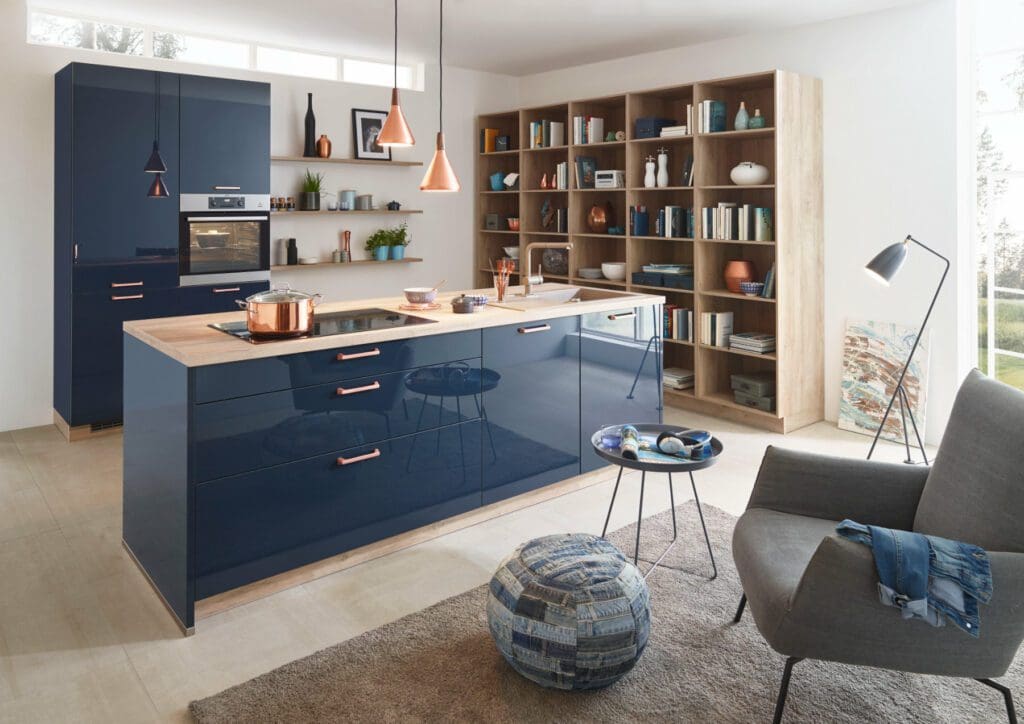
A modern kitchen island is a freestanding unit positioned away from the main run of kitchen cabinets, designed to improve workflow, add storage and worktop space, and support seating or social interaction. In contemporary kitchen design, islands are planned around zoning, circulation, and everyday use rather than decoration alone, making them a functional centrepiece in many UK homes.
Modern islands often incorporate:
- Food preparation space
- Storage drawers and cupboards
- Integrated appliances
- Informal dining or seating
- Zoning within open-plan layouts
When designed correctly, an island should support how you use your kitchen, not simply fill space.


Why Modern Kitchen Islands Are So Popular in UK Homes
Modern kitchen islands work particularly well in British homes where kitchens increasingly form part of open-plan living spaces.
Key benefits include:
- Improved Workflow and Zoning
An island can help create clear zones for cooking, preparation, dining, and socialising — especially important in larger or open-plan kitchens. - Additional Worktop and Storage Space
Islands provide valuable extra workspace and storage without extending the kitchen footprint, making them ideal for busy households. - Social Interaction
Positioned centrally, islands allow the cook to face family or guests rather than turning their back on the room. - Visual Balance
In larger kitchens, an island prevents the space from feeling empty or under-designed by anchoring the layout visually.
Planning a Kitchen Island: What You Need to Know Before Installation
Before designing an island, it’s essential to assess whether your space can accommodate one comfortably.
1. Assess Available Space
As a general guideline, allow:
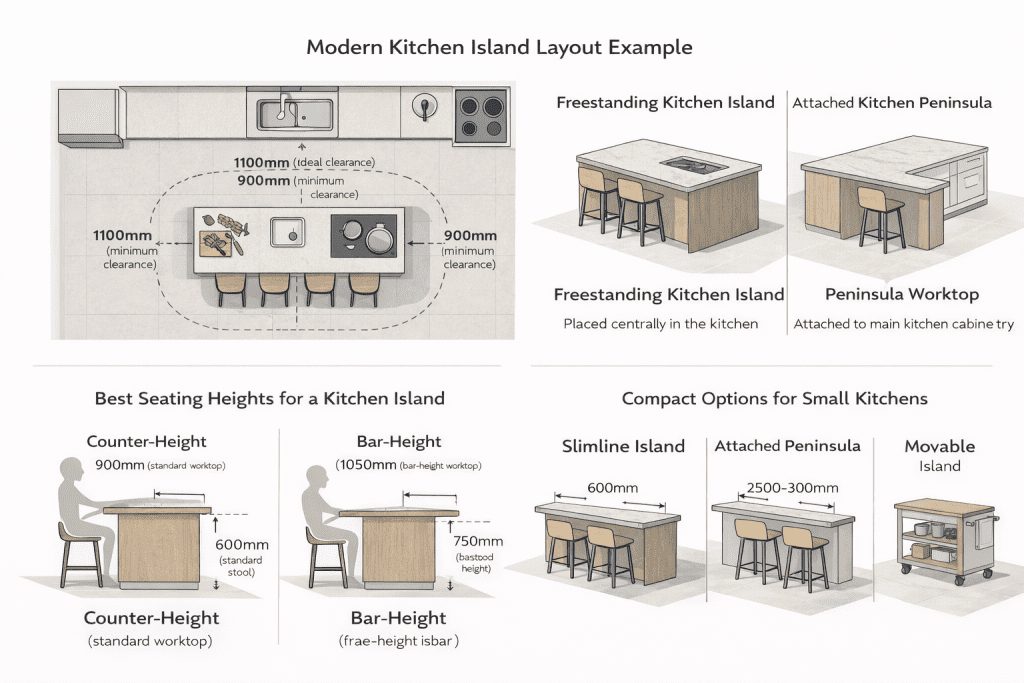
- 1000–1100mm clearance on all sides where appliances or drawers open
- 900mm minimum in tighter layouts (with careful planning)
If your kitchen feels narrow or cramped once these clearances are marked out, an island may not be the right solution.
2. Define the Purpose of the Island
Decide what role the kitchen island will play:
- food preparation
- cooking (hob or sink)
- storage
- seating and dining
- zoning between spaces
The island’s purpose should dictate its size, layout, and features.
3. Choose the Right Size
Oversized kitchen islands can overwhelm a kitchen. As a guide:
- Seating allowance: approx. 600mm width per persons.
- Minimum depth: 600mm (slimline)
- Standard depth: 900mm
4. Consider Workflow and Movement
Modern kitchen design favours zoning rather than strict work-triangle rules. Your island should support smooth movement between cooking, prep, storage, and cleaning zones without obstructing walkways.
5. Storage Planning
Kitchen islands are ideal for:
- deep pan drawers
- pull-out bins
- appliance housing
- open shelving (used sparingly)
A mix of storage types keeps the island functional without feeling bulky.
6. Electrical and Plumbing Requirements
If your island includes a sink, hob, dishwasher, or sockets, early planning is essential. Floor-run services add complexity and cost, so only include features that genuinely improve functionality.
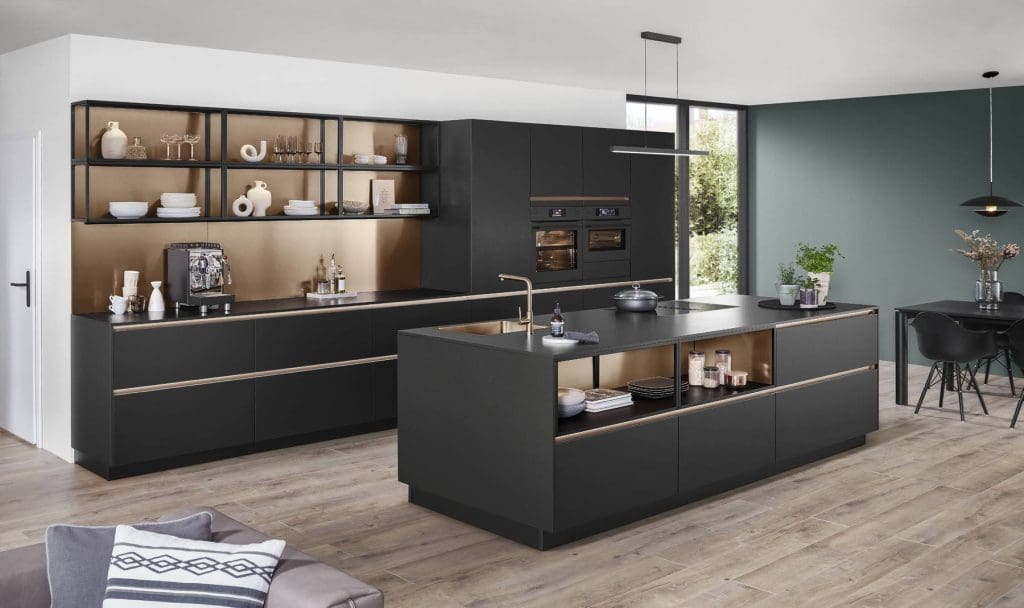
Kitchen Islands with Seating: Design, Space & Comfort
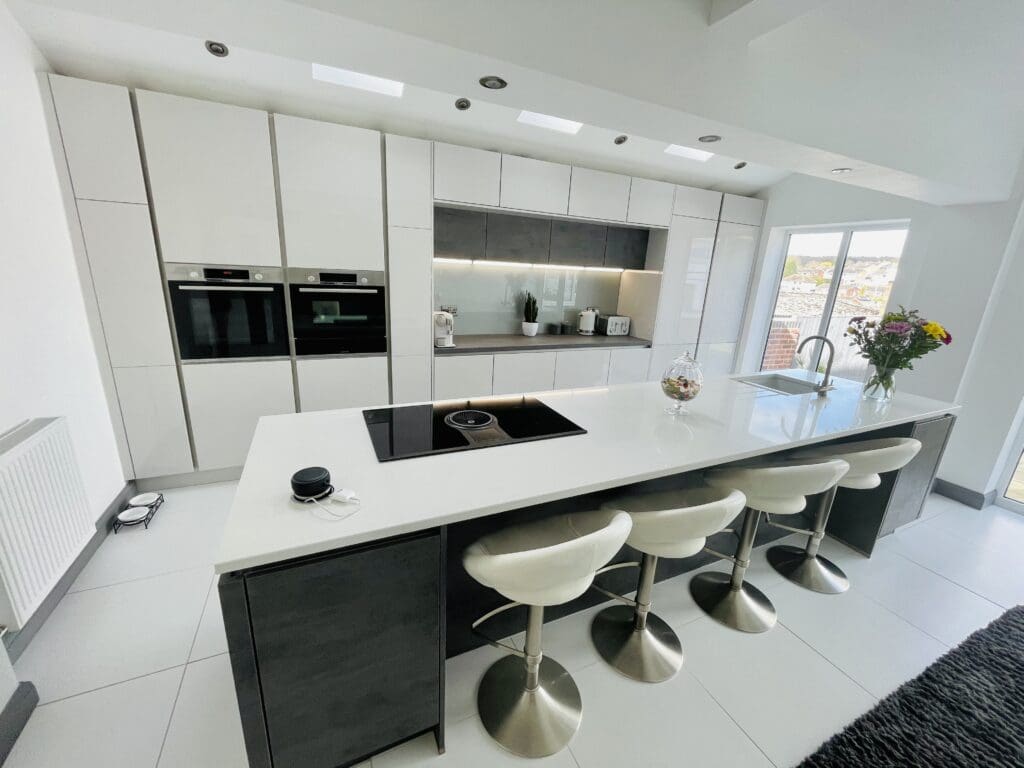
Kitchen islands with seating are one of the most popular island configurations, turning the kitchen into a social hub for everyday life.
Benefits of Island Seating
- casual dining without a separate table
- interaction while cooking
- flexible use for working, studying, or entertaining
Seating Types to Consider
- Bar stools: space-efficient and versatile
- Bench seating: communal and family-friendly
- Chairs: more traditional dining feel
- Banquettes: ideal for semi-formal layouts
Key Seating Measurements
- Worktop overhang: 250–300mm
- Seat width: approx. 600mm per person
- Island height: typically 900mm (standard worktop)
Comfort should always come before aesthetics.
Can You Fit a Kitchen Island in a Small Kitchen?
Space Guidelines
If your kitchen is under 3.5 metres wide, a traditional freestanding island may not be suitable. However, modern compact islands and alternatives can work well.
Smart Design Strategies for Small Kitchens
- slimline islands (500–600mm deep)
- integrated storage to reduce wall units
- light colours and reflective finishes
- recessed plinths to create visual space
compact appliances (drawer fridges, slimline dishwashers)
Space-Saving Alternatives
If a kitchen island won’t fit comfortably, consider:
- Kitchen peninsulas (attached to a wall or run)
- Movable islands or butcher’s blocks
- Pull-out or fold-down worktops
These options offer island-style benefits without overcrowding the room.
Kitchen Islands vs Kitchen Peninsulas: Which Is Right for You?
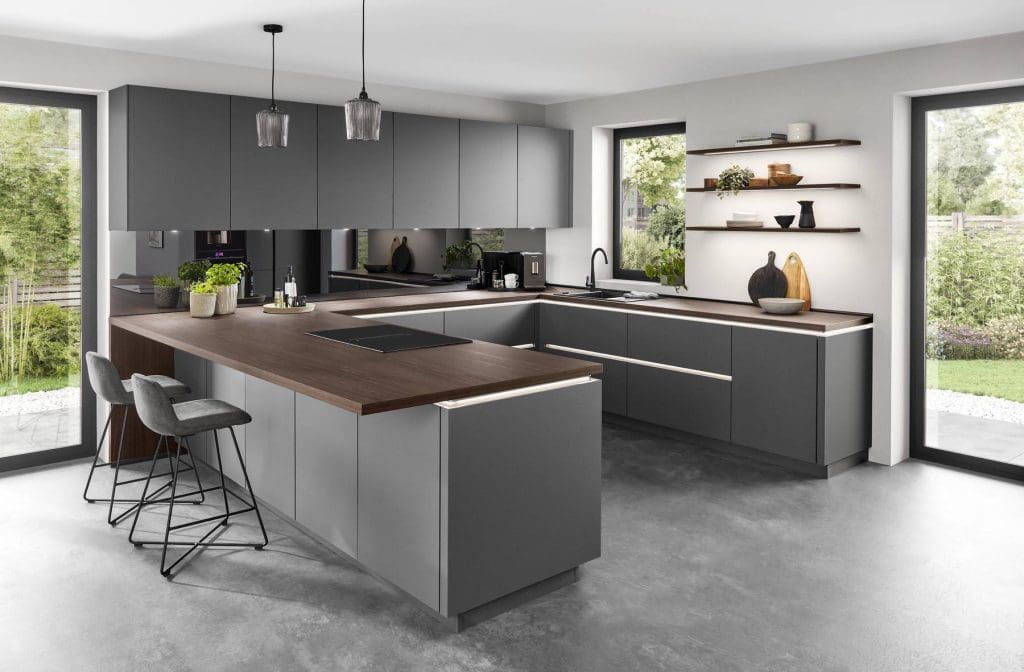
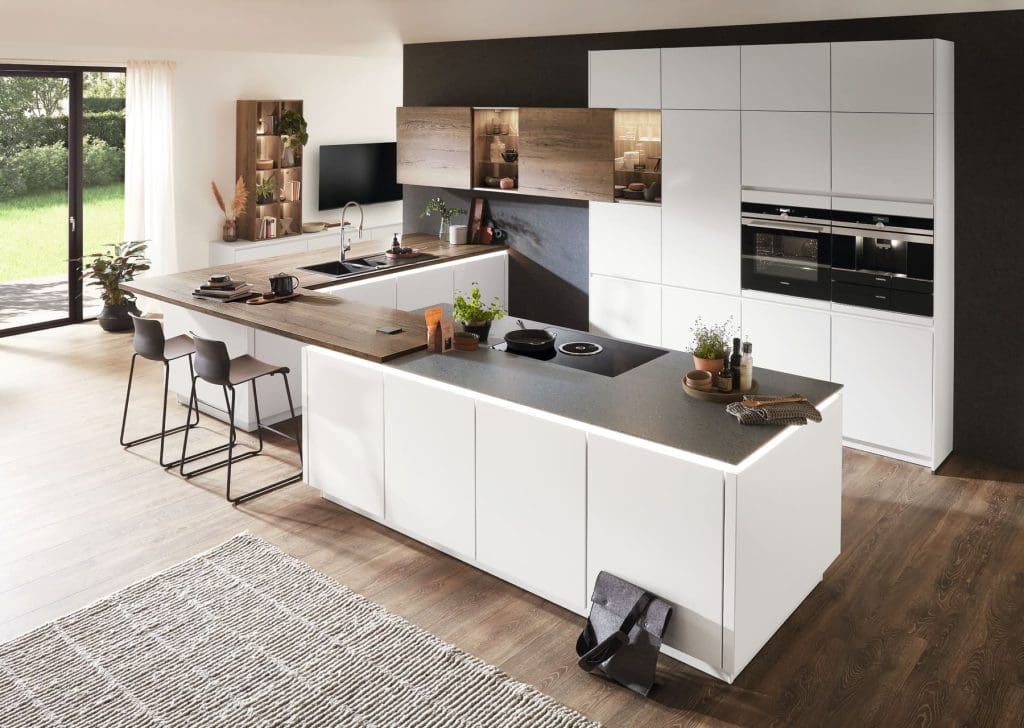
While kitchen islands are freestanding, peninsulas extend from existing cabinetry and are often better suited to:
Peninsulas still provide:
- extra worktop space
- seating
- zoning in open-plan layouts
They are a practical alternative where space is limited.
Materials and Finishes for Modern Kitchen Islands
Material choice should balance durability, maintenance, and design cohesion.
Popular Island Worktop Materials
- Quartz: durable, low-maintenance, versatile
- Granite: natural and hard-wearing
- Wood: warm and tactile (requires maintenance)
- Ceramic: highly resistant and contemporarygalley kitchens
Visual Design Tips
- contrast the island with perimeter units for impact
- or match finishes for a cohesive, minimal look
- handleless cabinetry enhances clean lines
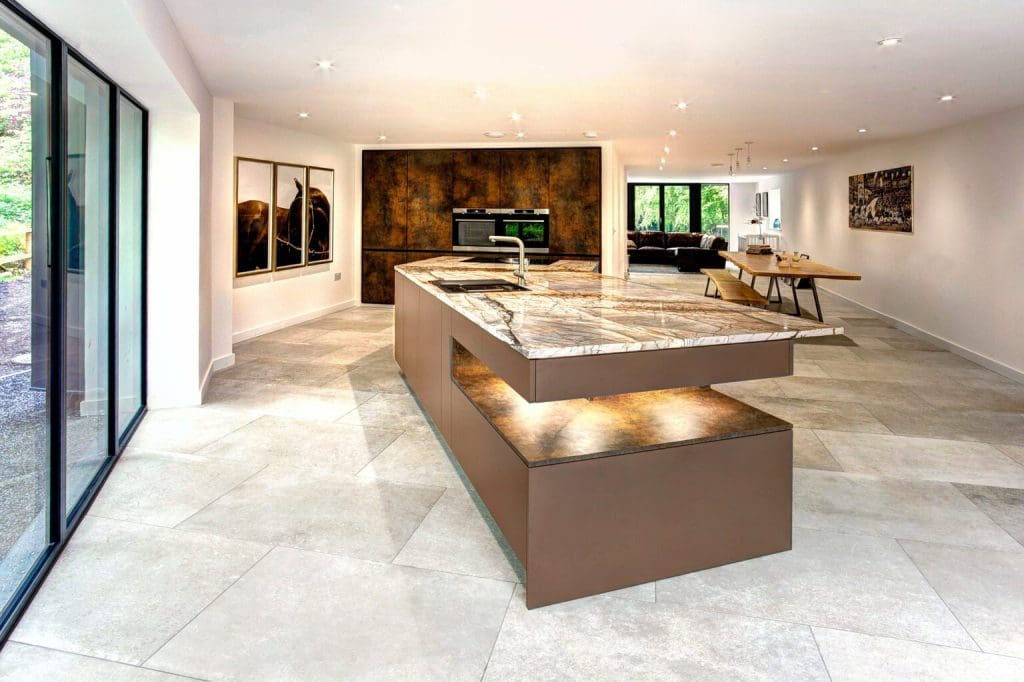
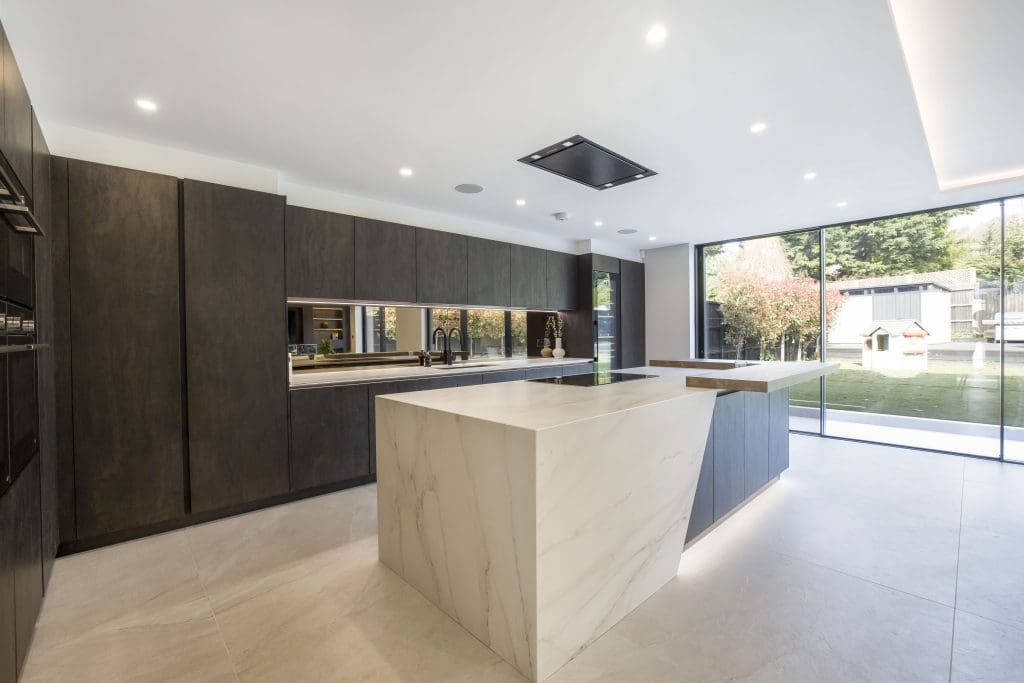
- waterfall worktops create a strong modern statement
Lighting a Kitchen Island Effectively
Lighting is essential for both function and atmosphere.
Best options include:
- pendant lights positioned 750–900mm above the worktop
- integrated extractor lighting if the island includes a hob
- under-counter LED strips for depth and softness
Avoid oversized fittings that dominate the space.
When to Seek Professional Design Advice
A kitchen island involves more than cabinetry — it affects circulation, services, lighting, and layout balance. A professional kitchen designer can:
- assess feasibility
- optimise proportions
- avoid costly mistakes
- produce 3D visuals before installation
This is particularly important for small kitchens or complex open-plan layouts.
Final Thoughts: Is a Modern Kitchen Island Right for You?
A modern kitchen island can transform how you use your kitchen — but only when it’s designed with purpose, proportion, and flow in mind.
If your space allows, an island can enhance functionality, encourage social interaction, and bring structure to open-plan living. Where space is tighter, alternatives such as peninsulas or compact islands can deliver many of the same benefits.
The key is balance: ensuring every element works hard for the space you have.
For help in planning your perfect island kitchen design contact your local kitchen specialist today.

Kitchen Island FAQs
How much space do you need around a kitchen island?
Ideally, allow 1000–1100mm clearance on all sides where drawers or appliances open. In tighter layouts, 900mm may work with careful planning, but anything less can restrict movement.
What is the minimum size for a kitchen island?
A practical kitchen island should be at least 600mm deep. Standard islands are closer to 900mm, especially if storage or seating is included.
Can you put seating at a kitchen island?
Yes. Kitchen islands with seating are very popular. Allow 250–300mm worktop overhang and around 600mm width per seat to ensure comfort.
Are kitchen islands suitable for small kitchens?
Sometimes. In smaller kitchens, slimline islands, compact designs, or alternatives such as peninsulas or movable islands are often more suitable.
What is the difference between a kitchen island and a peninsula?
A kitchen island is freestanding, while a peninsula is attached to an existing run of units. Peninsulas are often better suited to narrower kitchens or galley layouts.
Do kitchen islands need power or plumbing?
Only if they include appliances or sinks. However, many homeowners add sockets or USB points to islands for convenience.
Subscribe to our blog for regular kitchen inspiration
Note from the Kitchen Specialists
This guide has been written by the team at My Kitchen Specialist, drawing on real-world kitchen design experience from working with independent retailers and premium European brands across the UK. Every kitchen island recommendation is based on practical planning principles, not trends alone — ensuring designs that work beautifully in everyday life.