
L-Shaped Kitchen Layout: Benefits, Design Advice & Planning Guide
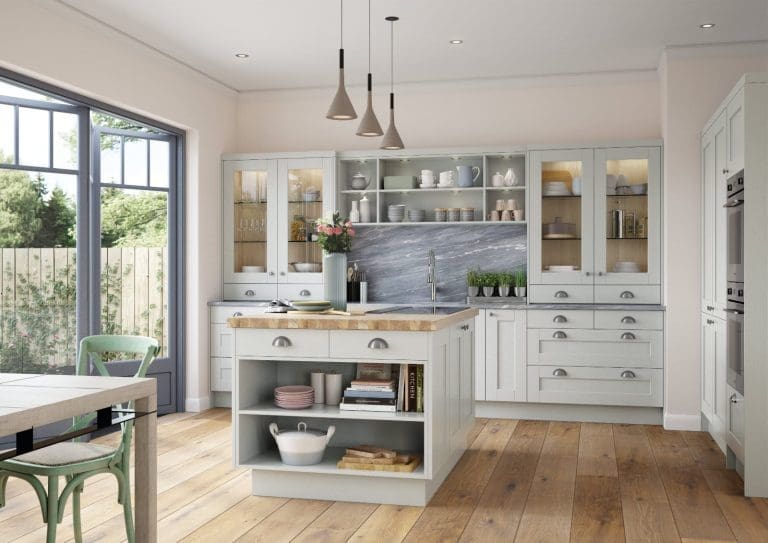
The L-shaped kitchen layout remains one of the most adaptable and widely used kitchen configurations in UK homes. Formed by cabinetry along two adjoining walls, it creates a practical working corner while leaving the rest of the room open and flexible.
Its popularity isn’t accidental. An L-shaped kitchen offers efficient workflow, clear zoning and the freedom to incorporate features such as dining areas or kitchen islands — all without overwhelming the space.
This guide explores when an L-shaped kitchen works best, how to plan it properly, and how to avoid common design mistakes.
What Is an L-Shaped Kitchen?
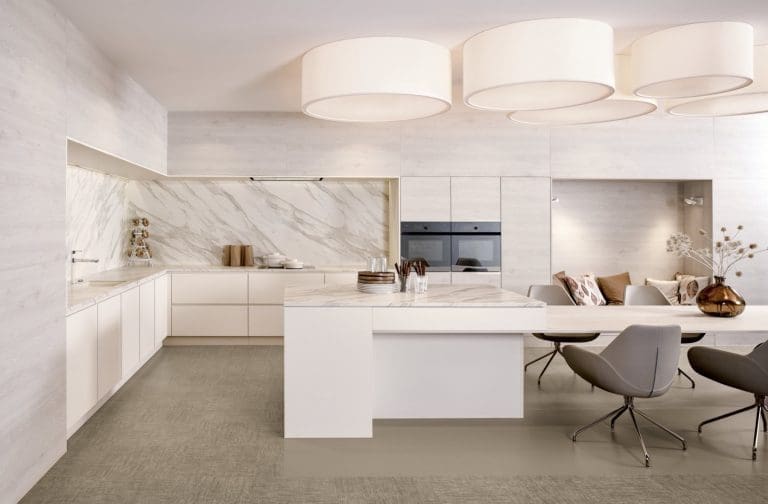
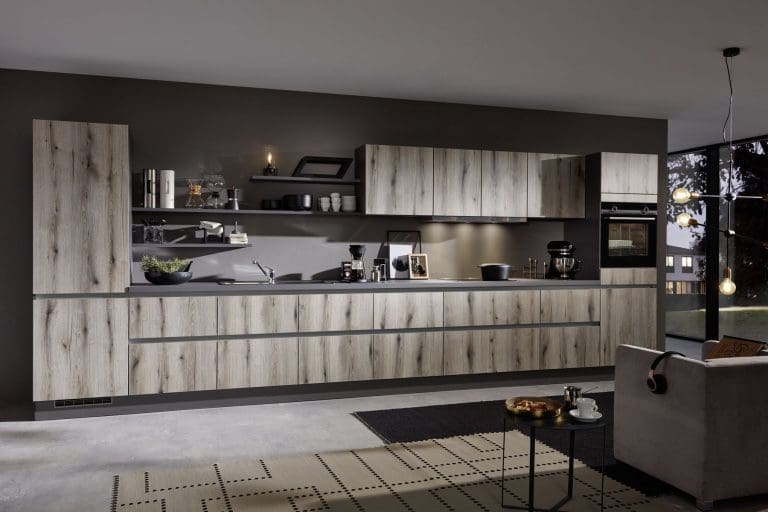
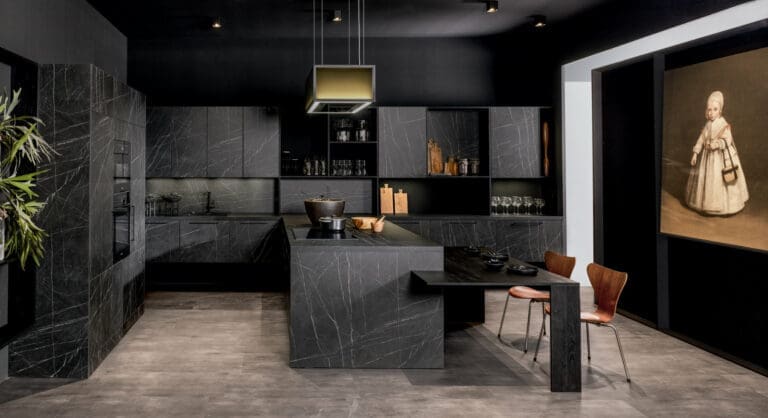
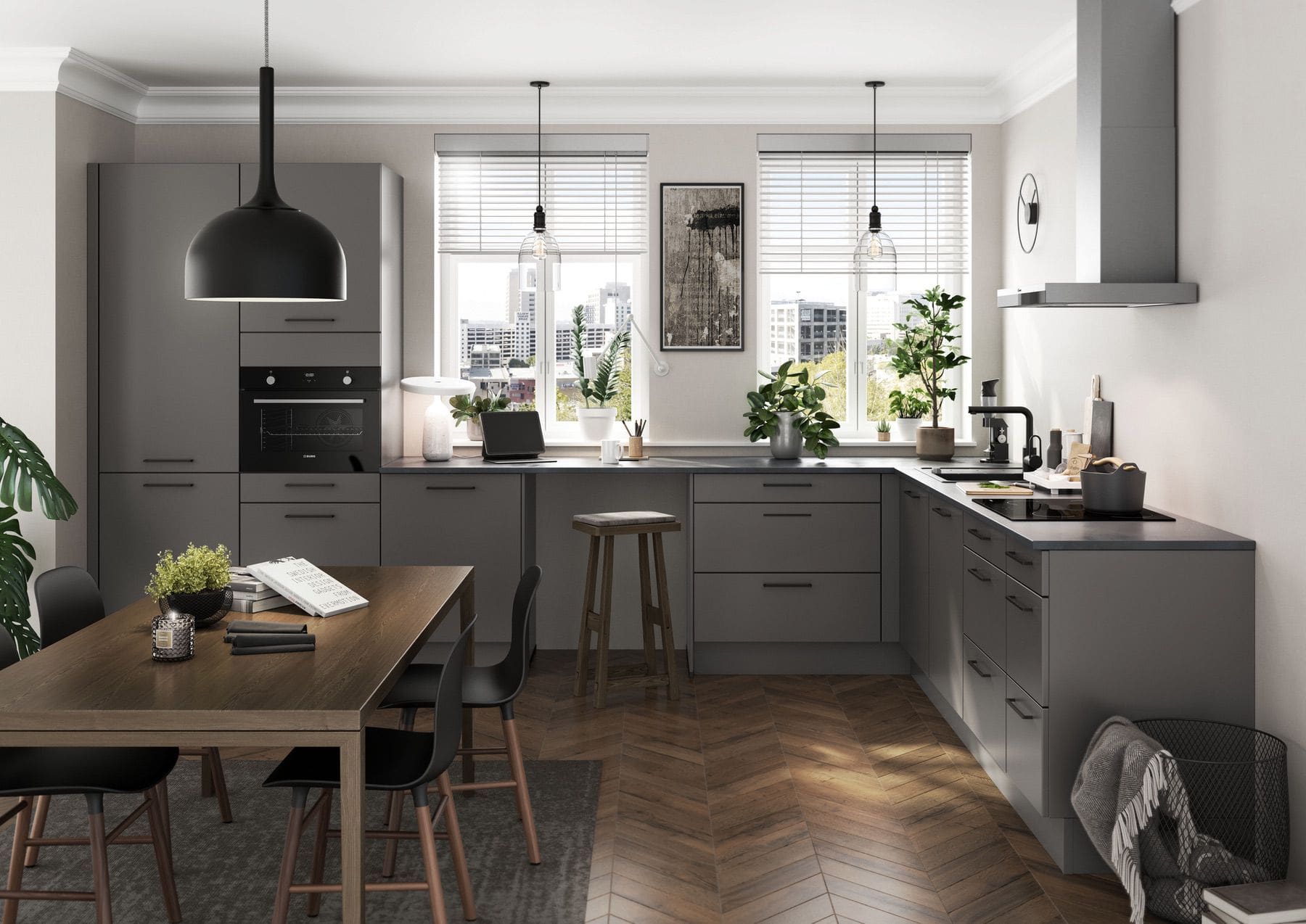
An L-shaped kitchen is a layout where cabinets and appliances run along two adjoining walls, forming a right-angle corner. It creates an efficient working area while leaving the rest of the room open, making it ideal for open-plan and small-to-medium kitchens.

How an L-Shaped Kitchen Layout Works
An L-shaped kitchen is arranged along two adjacent walls, forming a 90-degree corner. The remaining space can be left open, used for dining, or adapted to accommodate an island.
Unlike U-shaped kitchens, which surround the cook on three sides, this layout keeps one side open — creating a lighter, less enclosed feel.
This structure makes it particularly well suited to:
- Rooms where circulation is important
- Open-plan homes
- Smaller kitchens needing breathing space
Why L-Shaped Kitchens Are So Popular
1. Excellent Flexibility
One of the greatest strengths of an L-shaped kitchen is adaptability.
It works in:
- Compact kitchens
- Medium-sized rooms
- Large open-plan layouts
Because only two walls are occupied, the layout allows for future flexibility — whether that’s adding an island, extending cabinetry, or incorporating a dining zone.

2. Natural Zoning Without Overcrowding
Modern kitchen design focuses on zoning rather than rigid work triangle theory.
An L-shaped layout makes it easy to create logical zones:
- Sink and preparation area on one wall
- Cooking and storage on the other
This separation supports efficient movement while keeping the room feeling open rather than enclosed.
3. Ideal for Open-Plan Living
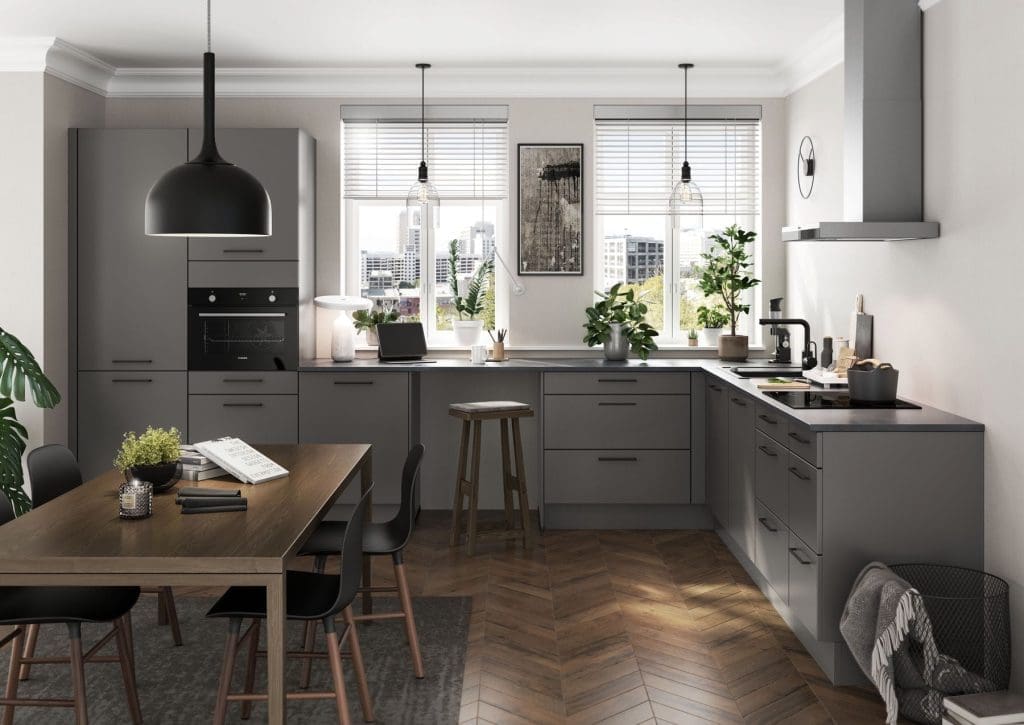
As open-plan layouts continue to dominate modern renovations, this kitchen layout remains a preferred solution.
Because one side stays open:
- The kitchen integrates easily with dining or living areas
- Sightlines remain clear
- The room feels larger and more sociable
4. Perfect Base for an Island
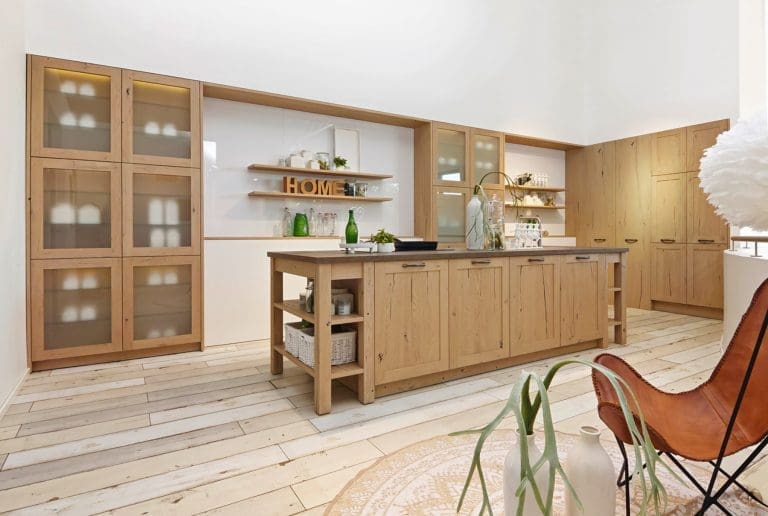
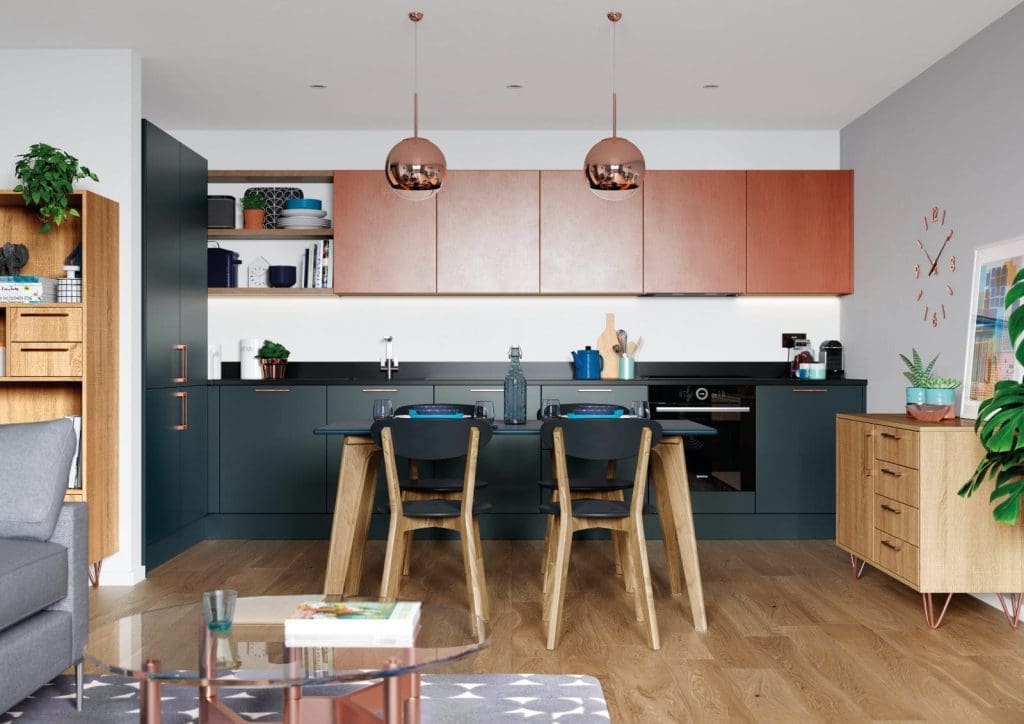
If the room size allows, an L-shaped kitchen pairs exceptionally well with an island.
The open central space provides natural placement for:
- Additional preparation area
- Casual seating
- Extra storage
- Appliance integration
However, sufficient clearance is essential — ideally 900–1100mm around the island.

L-Shaped Kitchens in Smaller Spaces
For compact kitchens, the L-shaped layout often performs better than U-shaped alternatives.
Because it only occupies two walls:
- It prevents the space from feeling boxed in
- It allows better light flow
- It keeps circulation simpler
In smaller rooms, careful corner storage planning becomes critical to maximise efficiency.

Managing the Corner Effectively
The corner is the defining feature of an L-shaped kitchen — and potentially its biggest challenge. Without proper planning, corner cabinets can become inaccessible or wasted.
Solutions include:
- LeMans pull-out systems
- Carousel corner units
- Deep drawer corner cabinets
- Blind corner pull-outs
Modern internal storage technology has largely eliminated traditional “dead space” issues — but only if specified early in the design process.

Potential Drawbacks of an L-Shaped Kitchen
While highly versatile, this layout has limitations.
1. Limited Continuous Worktop Space
Compared to U-shaped kitchens, L-shaped layouts may offer less uninterrupted surface area.
2. Multi-Cook Constraints
In narrower rooms, two people working simultaneously can feel tight unless an island or additional run is introduced.
3. Corner Planning Required
Poorly designed corners reduce usability and storage efficiency.

Is an L-Shaped Kitchen Right for You?
This kitchen layout works particularly well when:
- You want an open, flexible layout
- You plan to incorporate an island
- The room connects to living space
- You prefer a lighter, less enclosed cooking area
It strikes a balance between structure and openness — making it one of the most adaptable kitchen layouts available.
Final Thoughts
An L-shaped kitchen layout remains one of the most adaptable and future-proof configurations available. Its open structure allows for flexibility, whether you’re designing a compact kitchen in a smaller property or planning an open-plan space with room for an island. When carefully zoned and supported with smart corner storage solutions, this kitchen layout delivers efficiency without feeling enclosed. The key lies in proportion, circulation space and thoughtful appliance placement — ensuring the layout supports how you cook, move and live each day. With considered planning, an L-shaped kitchen can provide the perfect balance of openness, functionality and long-term practicality.
For help in creating your perfect kitchen look and layout, talk to your nearest My Kitchen Specialist today.
Frequently Asked Questions About L-Shaped Kitchens
1. Are L-shaped kitchens good for small spaces?
Yes. Because they only use two walls, they help prevent smaller kitchens from feeling enclosed while still offering efficient workflow.
2. Can you add an island to an L-shaped kitchen?
Yes, provided the room allows at least 900–1100mm of clearance around the island.
3. How do you make the most of corner storage?
Use modern corner solutions such as LeMans units, carousels or blind-corner pull-outs to eliminate wasted space.
4. Are L-shaped kitchens suitable for open-plan homes?
Very much so. Their open side integrates naturally with dining and living areas.
5. Is an L-shaped kitchen better than a U-shaped kitchen?
It depends on room size and lifestyle. L-shaped kitchens feel more open, while U-shaped kitchens provide more storage and surface area.
Author Note
This guide has been written by the My Kitchen Specialist editorial team in collaboration with independent kitchen retailers across the UK. The advice reflects practical layout planning experience across leading German and British kitchen brands, ensuring recommendations are based on real-world design application.