

What a Kitchen Designer Really Does (And Why It Matters)

What a Kitchen Designer Really Does (And Why It Matters)
If you are planning a new kitchen, it is easy to assume that the role of a professional kitchen designer begins and ends with choosing cabinets and creating a layout. In reality, a professional kitchen designer does far more than select finishes or arrange units on a plan. Their expertise shapes how your kitchen functions day-to-day, how it fits your home, and how well it stands up to years of use.
This article explains what a kitchen designer really does, why their input matters, and how working with an experienced professional can help you avoid costly mistakes. You will also gain a clearer understanding of how design expertise adds value at every stage of a kitchen project, from the first conversation to the final installation.

Understanding How You Actually Use Your Kitchen
One of the most important things a professional kitchen designer does is listen. Before any measurements are taken or layouts discussed, a good designer will want to understand how you live.
They will ask questions such as:
- How many people cook at once
- Whether the kitchen is mainly for quick meals or regular entertaining
- How much storage you really need, not just what looks neat on paper
- Which appliances you rely on daily
This insight shapes every design decision that follows. A kitchen that looks impressive but fails to suit your routine soon becomes frustrating. A designer’s role is to translate lifestyle needs into practical solutions that work for you, not just for a showroom display.
Turning Space Limitations into Smart Design Solutions
Most UK homes come with spatial challenges. Period properties, narrow rooms, low ceilings, chimney breasts, and awkward corners are common. A kitchen designer’s expertise lies in seeing potential where others see restrictions.
Rather than forcing a standard layout into a difficult space, a good kitchen designer will assess proportions, circulation, and natural light. They understand how to:
- Improve flow through careful zoning
- Make smaller kitchens feel calmer and more organised
- Balance tall storage with open areas to avoid visual overload
This level of planning is especially important in terraced houses, extensions, and open-plan layouts, where small decisions can have a big impact on how the space feels.
Designing Layouts That Work in Real Life
A professional kitchen designer does not rely on current kitchen trends alone. Their focus is on how the space functions over time. While online inspiration can be helpful, it rarely accounts for clearance spaces, door swings, or safe distances between appliances.
A professional kitchen designer considers:
- Comfortable walkways and working zones
- Logical positioning of sinks, ovens, and refrigeration
- How multiple people move through the kitchen at once
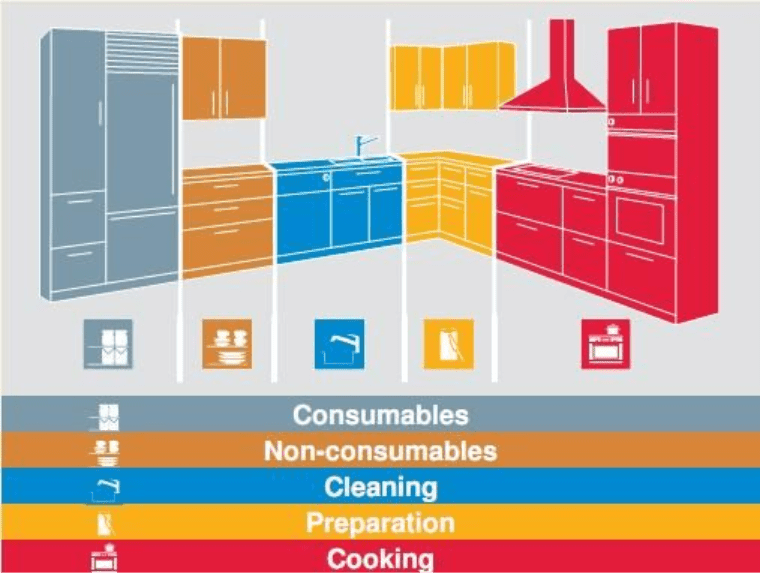
They also adapt classic planning principles to suit modern living. Rather than rigid rules, designers now focus on zones for preparation, cooking, cleaning, and storage. This creates kitchens that feel intuitive to use and easier to keep organised.
Helping You Choose the Right Kitchen Furniture
Kitchen furniture is not one-size-fits-all. A designer helps you choose cabinetry that suits your budget, style preferences, and expectations for durability.
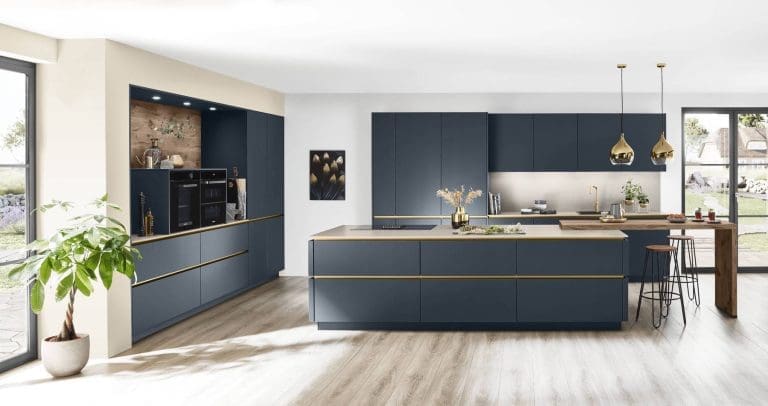
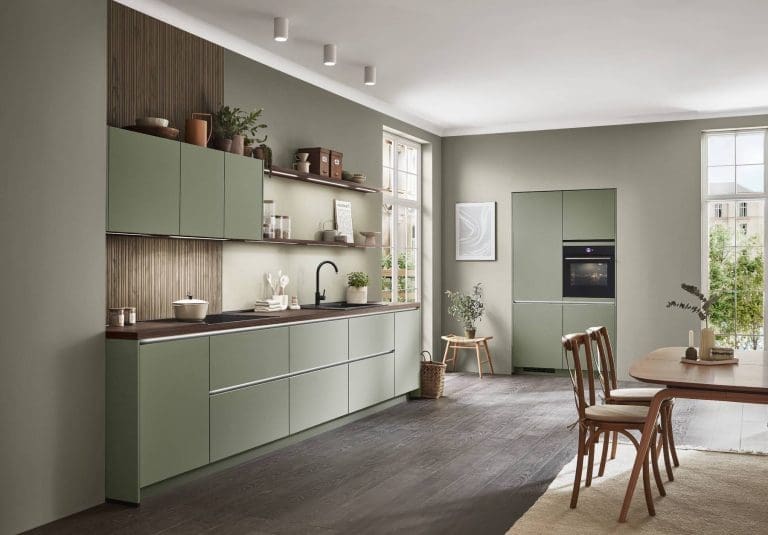
Manufacturers such as Nobilia and Bauformat are often chosen for their consistency and wide choice of finishes, making them suitable for many homes. Others, like Ballerina and Brigitte, offer more detailed customisation for homeowners looking to refine proportions or internal storage.
A designer will explain the practical differences between ranges, not just the visual ones. That includes carcass construction, drawer systems, and how different finishes perform in everyday use. This guidance helps you make informed decisions without feeling overwhelmed by options.
Balancing Style with Longevity
It is easy to be drawn to what looks good now. A kitchen designer’s role is to help you create a scheme that still feels right years down the line.
They guide you on:
- Colour choices that age well in different lighting conditions
- Materials that suit family life or frequent use
- Finishes that are easier to maintain over time
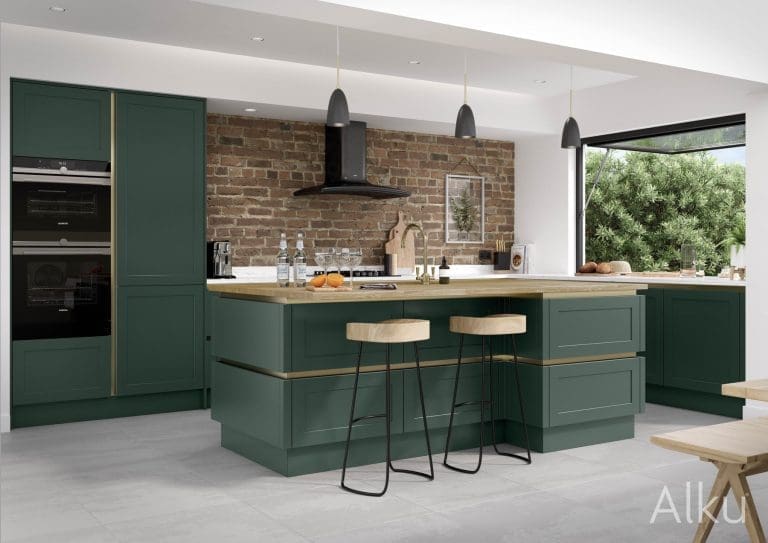
Brands such as Alku and Ashley Ann are often selected for their ability to balance style with practicality, offering finishes that feel current without being short-lived.
This long-term thinking is one of the biggest advantages of working with a professional rather than choosing a kitchen based on images alone.

Kitchen Appliance Planning Beyond Product Selection
Kitchen designers do not simply help you choose appliances. They plan how those appliances integrate into the overall design.
This includes:
- Ensuring adequate ventilation and clearance
- Aligning appliance heights with ergonomics
- Coordinating power, plumbing, and extraction requirements
A designer understands how appliance choices affect cabinetry, worktop depths, and storage layouts. For example, integrated refrigeration or larger ovens can influence how tall units are grouped and how balanced the kitchen feels visually.
Making Storage Work Harder
Kitchen storage is one of the most underestimated elements of kitchen design. A designer looks beyond the number of cupboards and focuses on how storage functions.
They consider:
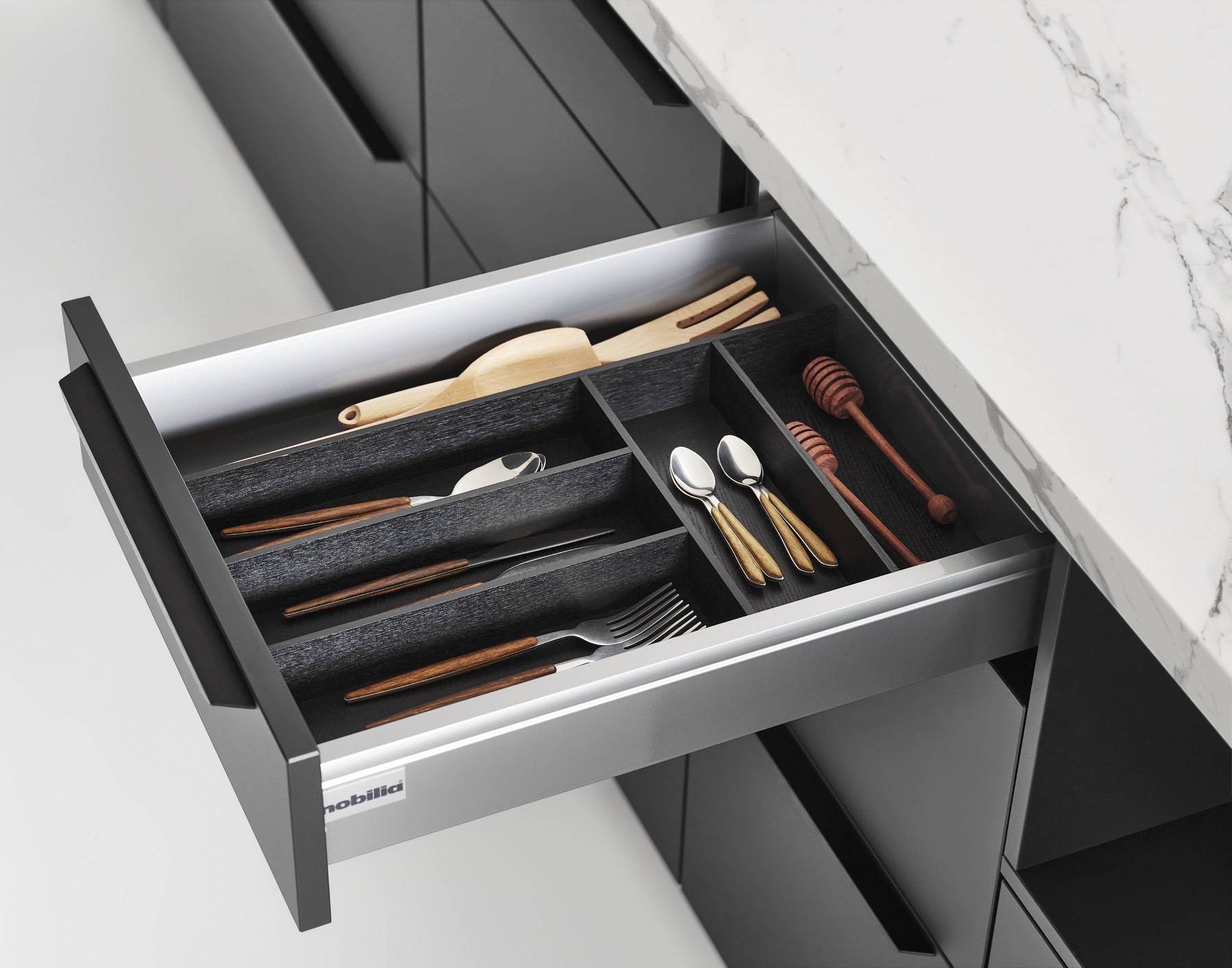
- Drawer configurations that suit how you cook
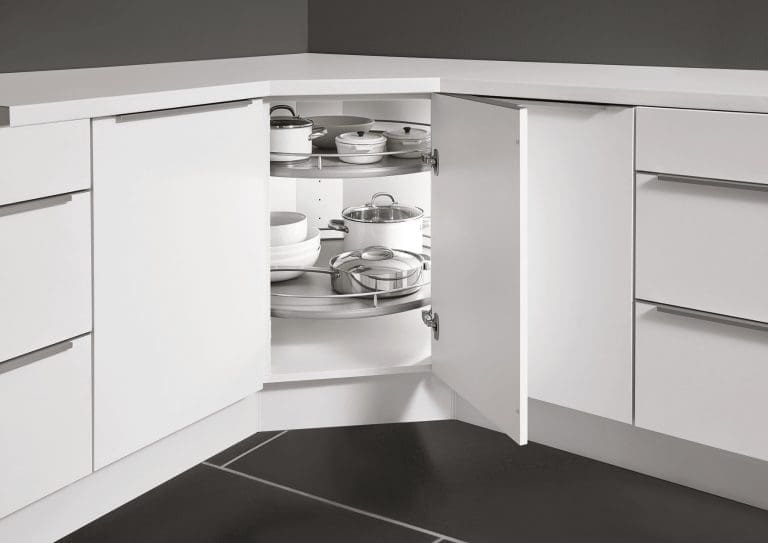
- Internal organisers that reduce clutter
- Tall storage for bulkier items
Brands such as JJO are often specified where flexible internal options allow designers to tailor storage to individual needs. This results in kitchens that feel easier to use, rather than simply well-fitted.

Managing the Technical Details You Do Not See
One of the least visible but most valuable parts of a kitchen designer’s role is managing technical detail.
This includes:
- Producing accurate plans for kitchen installers and trades
- Coordinating with builders, electricians, and plumbers
- Anticipating issues before they become problems
Without this level of oversight, small errors can lead to delays or compromises. A professional kitchen designer acts as a central point of knowledge, ensuring the design translates accurately from plan to reality.
Keeping Your Budget on Track
Contrary to popular belief, working with a kitchen designer does not mean losing control of your budget. In fact, it often helps you manage it more effectively.
A designer will:
- Prioritise spending where it makes the most difference
- Suggest alternatives that achieve a similar look for less
- Prevent costly mistakes caused by poor planning
They understand where quality matters and where savings can be made without affecting the final result. This guidance is especially valuable when choosing between different kitchen ranges or layout options.
Supporting You From First Sketch to Final Fit
A kitchen designer’s role extends well beyond the initial design appointment. They support you throughout the project, offering reassurance and clarity as decisions are made.
This ongoing involvement helps you:
- Feel confident about your choices
- Respond calmly to changes or challenges
- Achieve a finished kitchen that reflects the original vision
The result is not just a well-designed kitchen, but a smoother overall experience.
Why a Kitchen Designer Really Matters
Choosing a kitchen is one of the biggest decisions you will make for your home. It affects daily routines, storage, and how comfortable the space feels. A kitchen designer brings structure, expertise, and perspective to that process.
They combine technical knowledge with creative thinking, ensuring your kitchen works as well as it looks. More importantly, they design for real life, not just for photographs.
If you want a kitchen that suits your home, your habits, and your long-term expectations, the value of a professional kitchen designer is difficult to overstate.