
Galley Kitchen Layouts: Smart, Space-Efficient Design for Modern UK Homes
A galley kitchen layout is one of the most efficient and practical kitchen designs available — particularly in UK homes where space is often limited. While sometimes overlooked, this kitchen layout is widely used by professional chefs and designers because it prioritises workflow, storage efficiency, and clarity of movement.
Whether you’re renovating a narrow kitchen, planning a compact extension, or designing an open-plan space with defined zones, a galley kitchen can deliver outstanding results when planned correctly.
What Is a Galley Kitchen Layout?
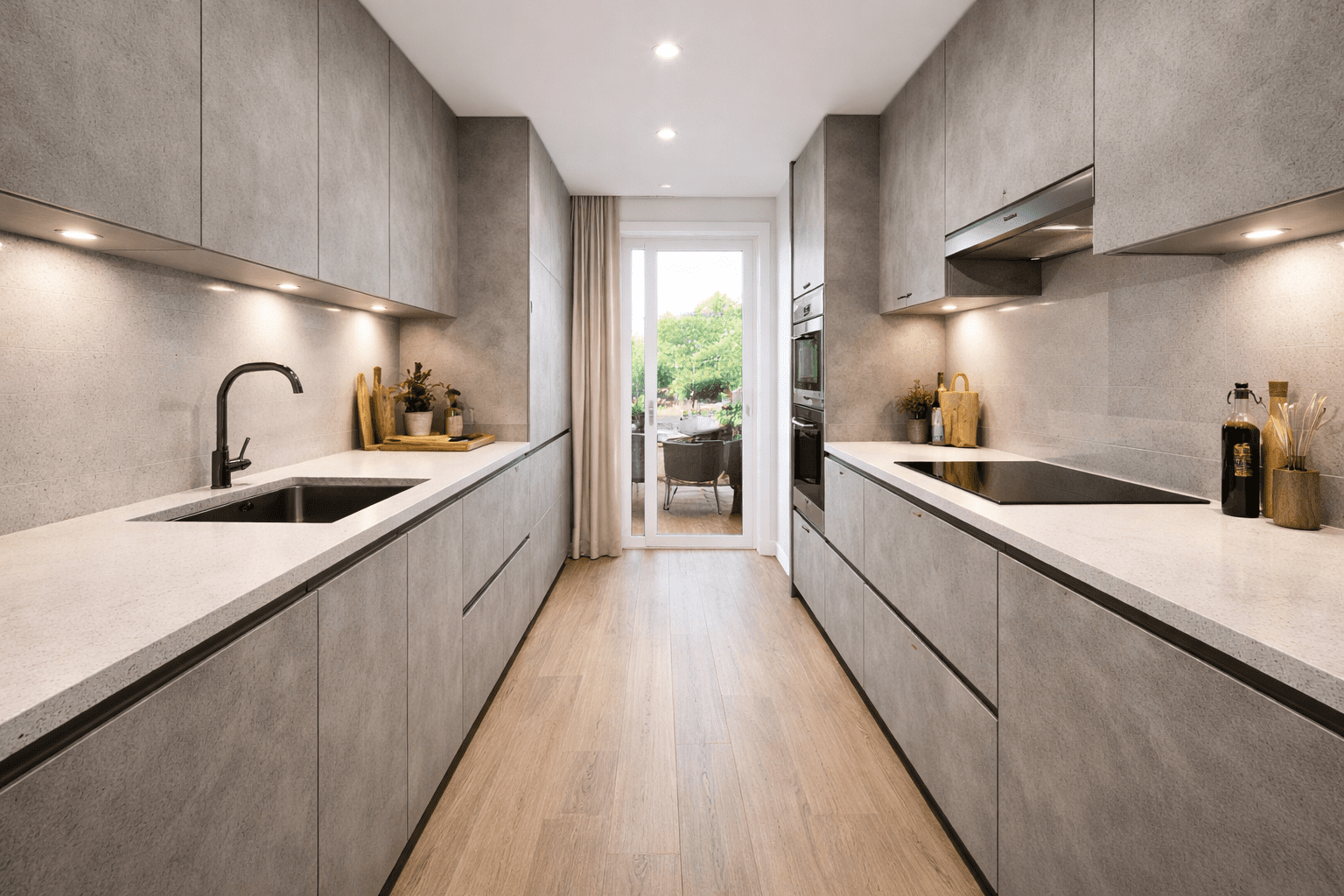
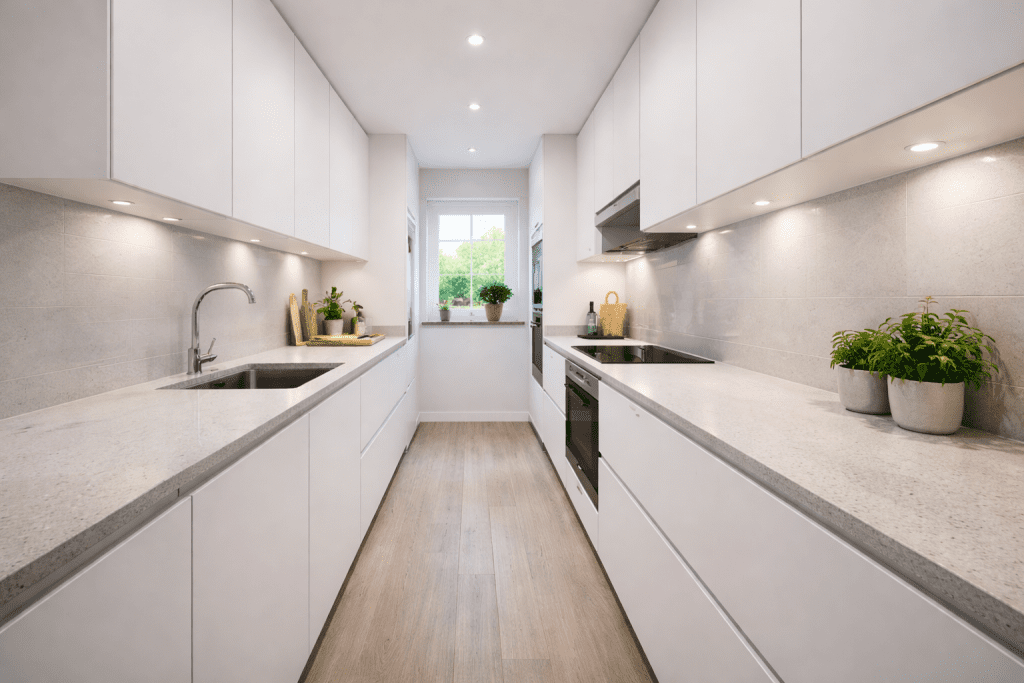
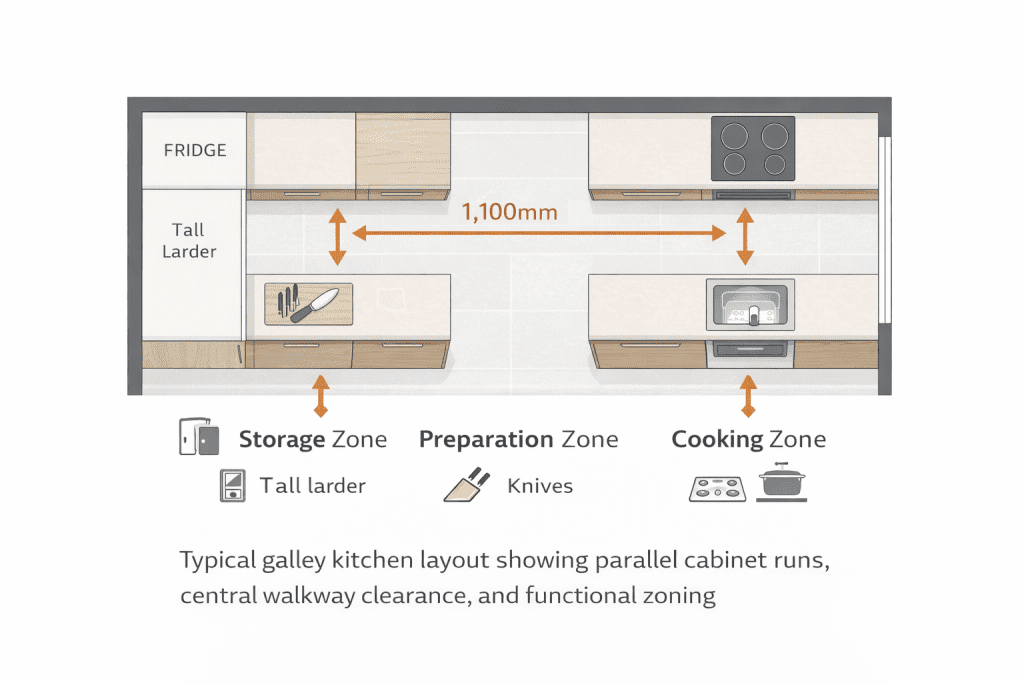
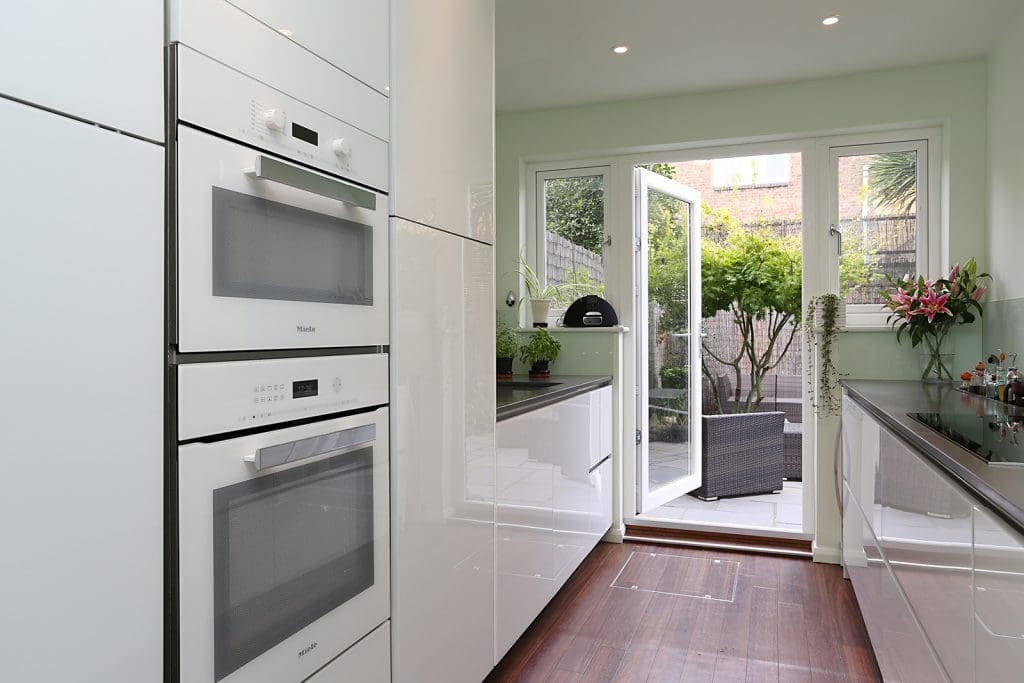
A galley kitchen layout is a kitchen design made up of two parallel runs of cabinets and worktops with a walkway between them. It is designed to maximise efficiency in narrow or elongated spaces by keeping storage, preparation, cooking, and cleaning zones close together. Galley kitchens are particularly well suited to UK homes where space is limited and workflow is a priority.
Why Galley Kitchens Work So Well in UK Homes
The galley kitchen takes its name from ship kitchens, where space efficiency, safety, and functionality are essential. That same design logic translates exceptionally well to modern UK homes, where kitchens are often long, narrow, or limited in width.
Traditionally associated with smaller spaces, this kitchen style is now used across a wide range of properties — from apartments and Victorian terraces to contemporary townhouses and open-plan homes where a clean, linear aesthetic is preferred.
Rather than feeling restrictive, a well-planned galley design creates a highly focused cooking zone, with appliances, storage, and worktops positioned exactly where they are needed. This clarity of layout supports efficient movement and reduces wasted space.
Many British properties feature proportions that can be challenging for other kitchen layouts. In these settings, a galley kitchen works with the shape of the room rather than against it. By embracing the length of the space, the layout turns narrow rooms into practical, highly usable kitchens, maximising storage and worktop space on both sides without overwhelming the room.

Planning a Galley Kitchen Using Zones (Not the Work Triangle)
Modern kitchen design focuses less on the traditional “work triangle” and more on zoning — even in compact layouts like galley kitchens.
A well-planned galley layout is typically divided into clear functional zones, such as:
- Storage zone (fridge, tall larder units)
- Preparation zone (main worktop, bins, utensils)
- Cooking zone (hob, ovens)
- Cleaning zone (sink, dishwasher)
By grouping tasks logically along each run, movement is minimised and the kitchen feels intuitive to use — even in a narrow space.
Key Benefits of a Galley Kitchen Layout
- Space-Efficient by Design
With everything arranged along two parallel walls, this design makes excellent use of available space. This is particularly effective in open-plan homes where the kitchen needs to feel integrated rather than dominant. - Highly Efficient Workflow
Short distances between appliances and work areas reduce unnecessary movement. This efficiency is one reason this layout remains popular in professional environments. - Cost-Effective Layout
Galley kitchens often require fewer cabinets and shorter worktop runs than L-shaped or U-shaped kitchens. Installation can also be simpler, which may help control overall costs — allowing budget to be invested in higher-quality finishes or appliances. - Clean, Contemporary Aesthetic
A linear layout creates a streamlined, modern look that suits minimalist and contemporary interiors. Handleless kitchen cabinetry and integrated appliances work particularly well in this layout.
Potential Drawbacks to Consider
While galley kitchens are extremely practical, they are not suitable for every household.
| Advantage | Consideration |
| Compact footprint | Less worktop space than larger layouts |
| Efficient workflow | Can feel narrow if poorly planned |
| Lower installation cost | Storage must be carefully designed |
| Clean appearance | Limited room for casual dining |
Most of these limitations can be addressed through good design, but it’s important to be realistic about how the kitchen will be used day to day.
Are Galley Kitchens Suitable for More Than One Cook?
Galley kitchens work best when used by one person at a time. In households where multiple people cook simultaneously, circulation can become restricted if aisle widths are too tight.
That said, wider galleys — or designs with one full run and one shallower run — can comfortably accommodate more than one user when planned correctly.
Galley Kitchens and Budget Considerations
From a financial perspective, galley kitchens can be an excellent choice. Because the layout is compact, you can often:
- Reduce the number of cabinets required
- Limit worktop length
- Simplify plumbing and electrics
This makes it easier to invest in premium finishes, high-quality appliances, or bespoke storage solutions without exceeding budget.
Can You Include an Island in a Galley Kitchen?
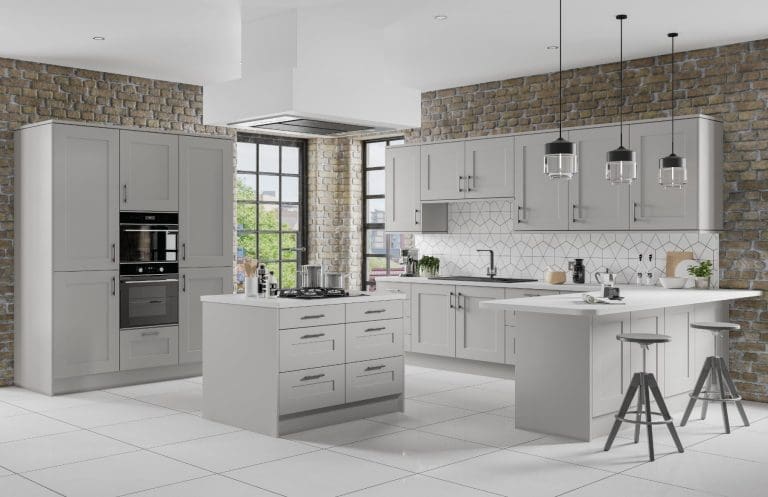
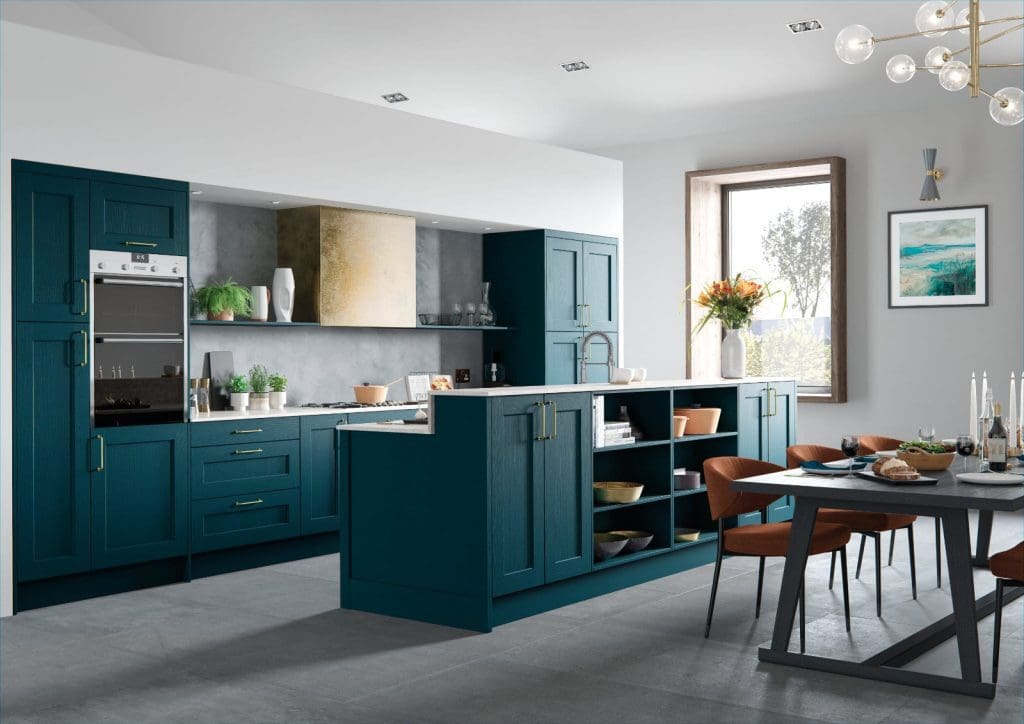
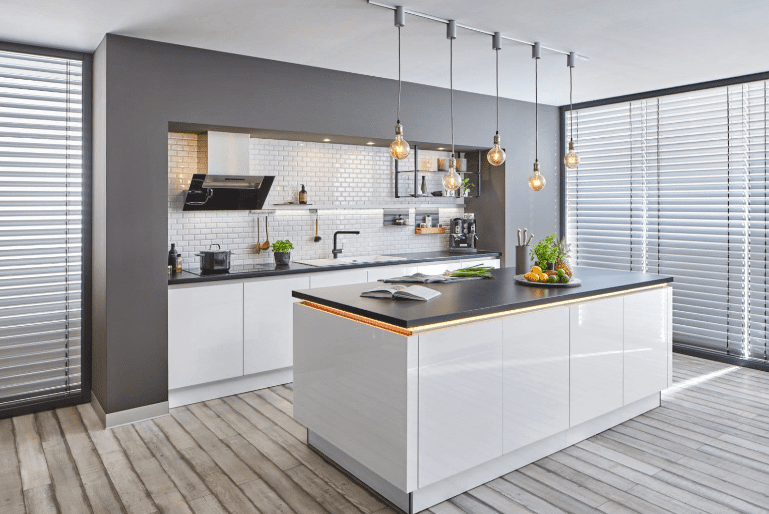
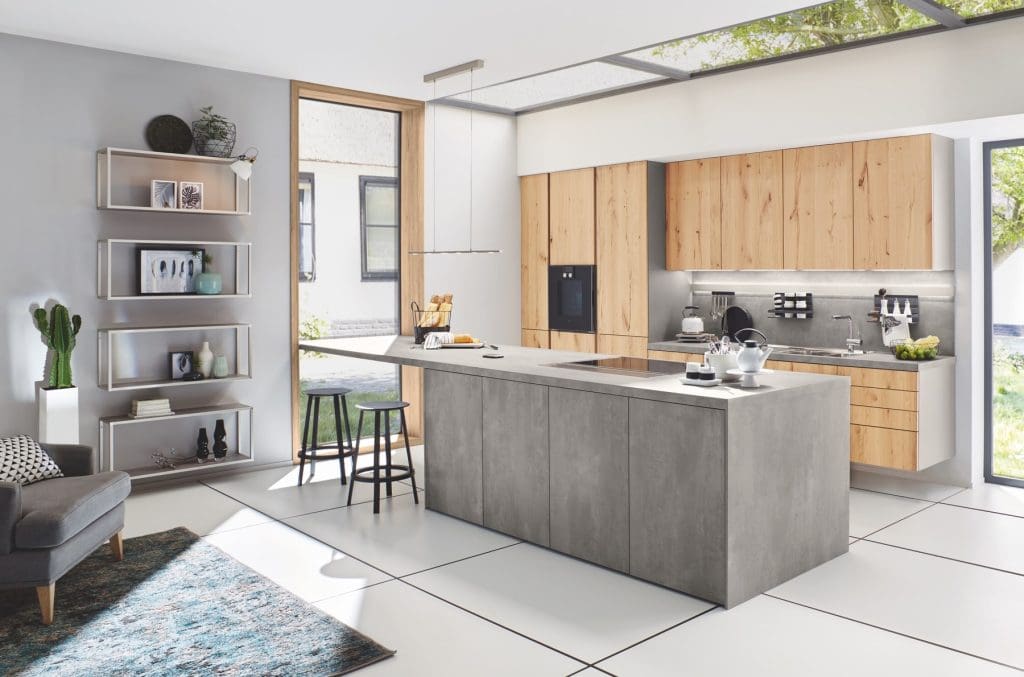
In most cases, traditional galley kitchens do not include an island. However, in wider rooms, a hybrid galley layout may be possible.
This could include:
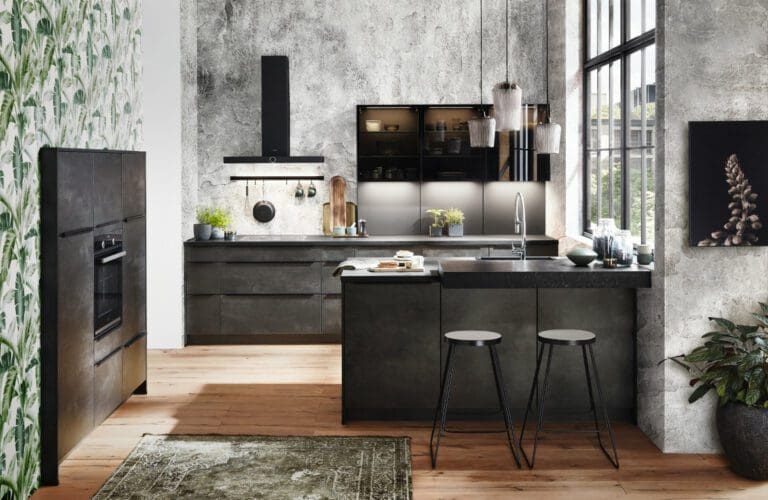
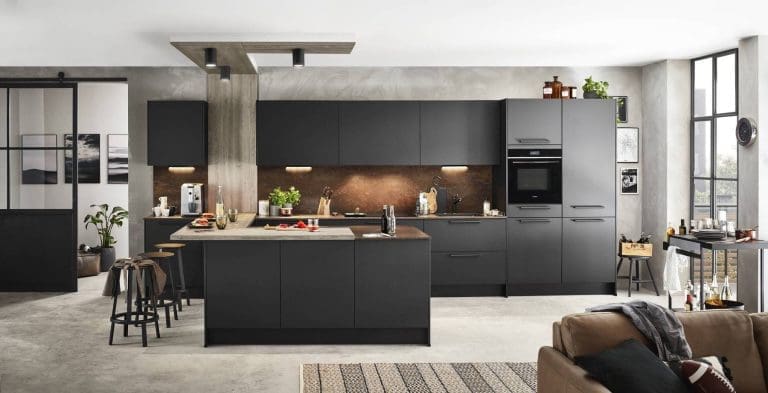
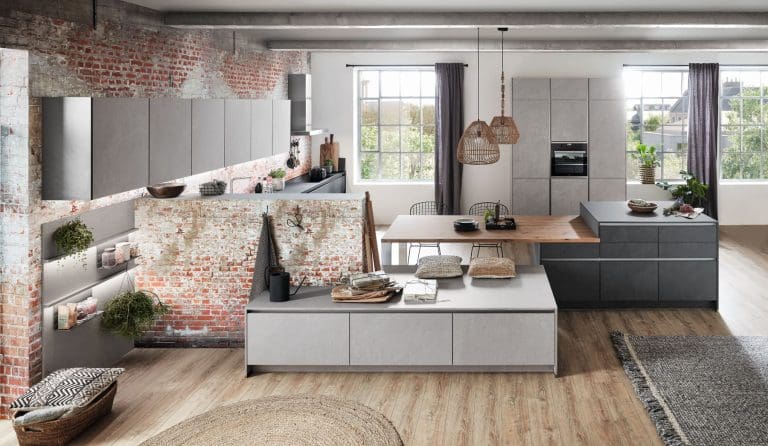
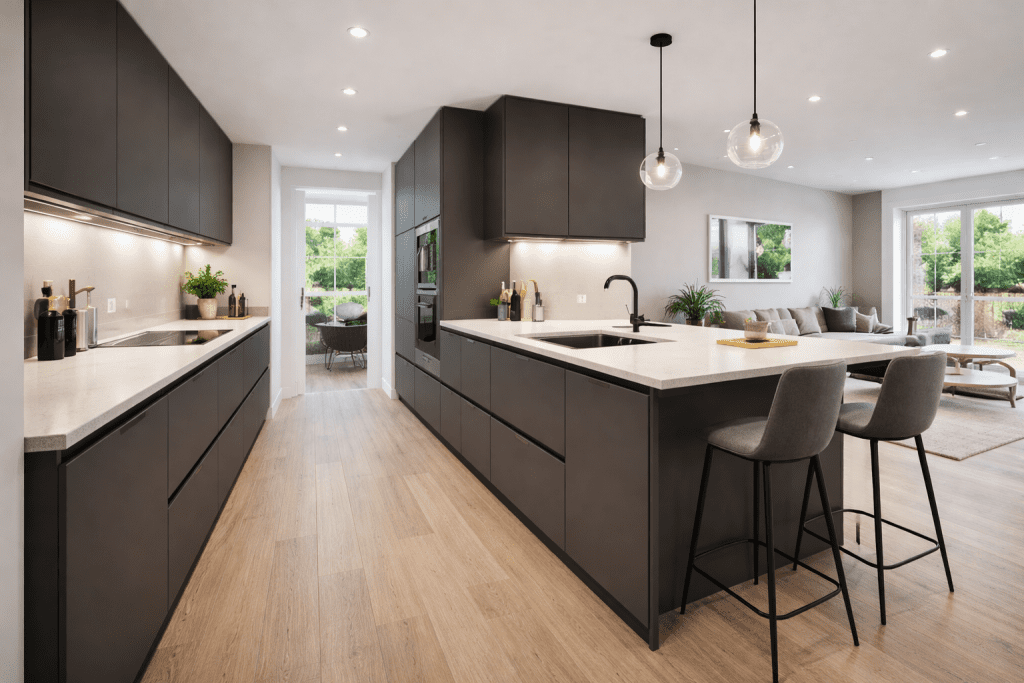
- A short kitchen island or peninsula at one end
- A widened central aisle with seating
- A partial return instead of a full second run
Adequate clearance is essential — typically at least 1,000–1,200mm between opposing elements — to maintain comfortable movement.
Design Tips for a Successful Galley Kitchen
- Use full-height cabinetry to maximise storage
- Choose lighter finishes to avoid a closed-in feel
- Incorporate strong task lighting and under-cabinet lighting
- Keep worktop runs as uninterrupted as possible
- Consider integrated appliances for visual simplicity
- Avoid overcrowding the layout with unnecessary units
Final Thoughts
A galley kitchen layout is a prime example of form following function. When thoughtfully planned, it offers exceptional efficiency, clarity, and practicality — particularly in UK homes where space needs to work harder.
Rather than being a compromise, this layout can prove a confident design choice that delivers both performance and style.
If you’re considering a galley kitchen, working with an experienced kitchen designer will ensure the layout is tailored to your space, lifestyle, and long-term needs.
At My Kitchen Specialist, we can help you find your ideal kitchen. Contact us today to find out more.
FAQ’s: Galley Kitchens
Are galley kitchens suitable for small UK homes?
Yes. Galley kitchens are one of the most practical layouts for small or narrow UK homes, including flats and terraced properties. Their linear design makes efficient use of space while keeping all key functions within easy reach.
What is the minimum width for a galley kitchen?
As a general guide, a galley design should allow at least 1,000mm between opposing cabinets for comfortable movement. Wider layouts of 1,100–1,200mm provide a more relaxed feel and allow doors and drawers to open more easily.
Are galley kitchens outdated?
No. While galley kitchens have been used for decades, modern designs use improved zoning, integrated appliances, and contemporary finishes to create kitchens that feel current, stylish, and highly functional.
Can more than one person cook in a galley kitchen?
It depends on the width and layout. Narrow galley kitchens work best for single-user cooking, while wider galley layouts or designs with one shallow run can comfortably accommodate two people.
Do galley kitchens have enough storage?
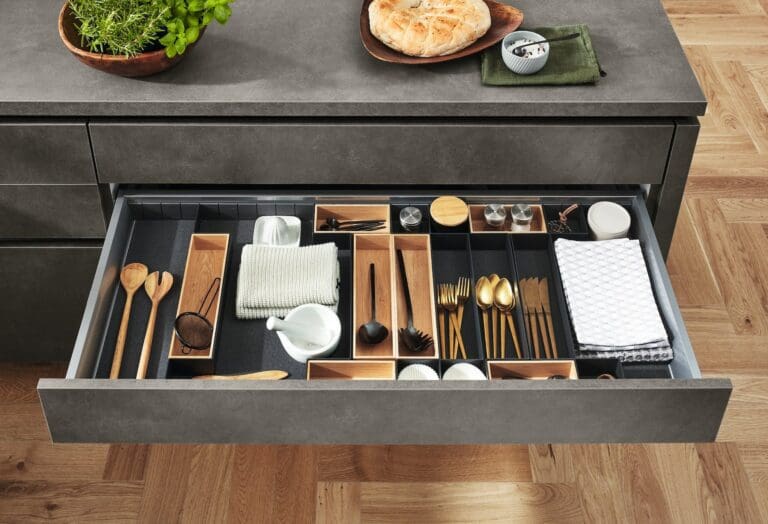
They can — but storage must be planned carefully. Full-height cabinetry, tall larder units, and efficient internal storage solutions are often essential to make the most of the available space.
Can you include seating in a galley kitchen?
Traditional galley kitchens don’t usually include seating, but in wider rooms a small breakfast bar, peninsula, or seating at one end of the layout can work well.